Publications

You can also find my articles on my Google Scholar profile.

Conference Papers


LLM-as-Code: Agentic Programming for Agent Harness

Junjia Qi, Zichuan Fu, Jingtong Gao, Wenlin Zhang, Hanyu Yan, Xian Wu, Xiangyu Zhao

KDD’26 Workshop on Agentic Software Engineering (AgenticSE), 2026
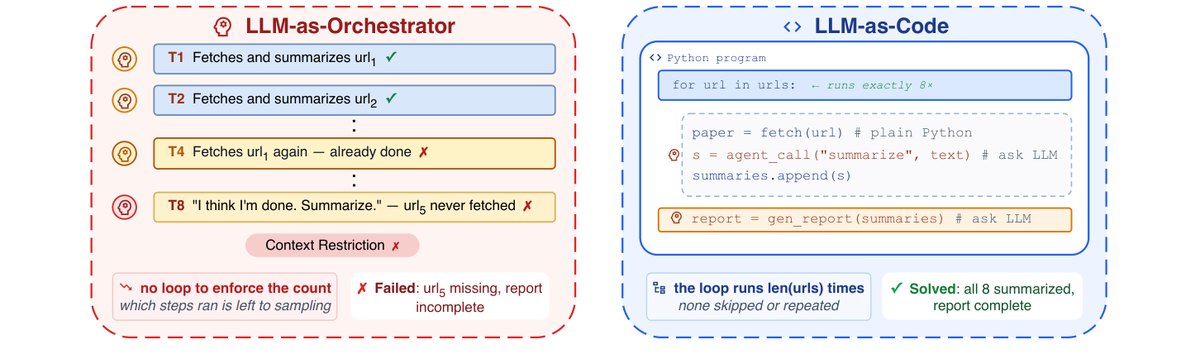
Agentic Programming inverts the usual agent design: the program governs all control flow and the LLM is an adaptive component invoked only where reasoning is needed, so token explosion and control-flow hallucination become architecturally impossible rather than prompt-tuned away.

Tandem: Riding Together with Large and Small Language Models for Efficient Reasoning

Zichuan Fu, Xian Wu, Guojing Li, Yejing Wang, Yijun Chen, Zihao Zhao, Yixuan Luo, Hanyu Yan, Yefeng Zheng, Xiangyu Zhao

ACL’26 Findings, Findings of the Association for Computational Linguistics, 2026

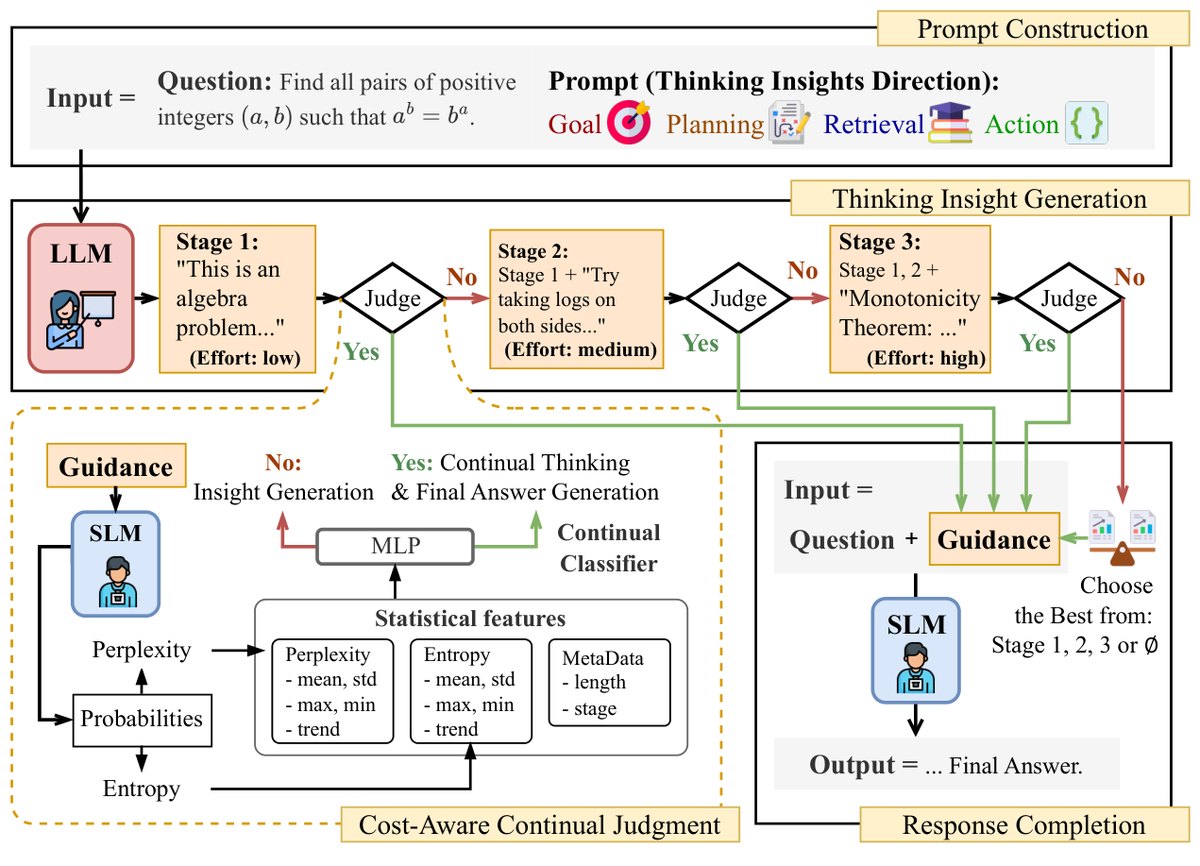
Tandem is a collaborative framework where an LLM provides strategic reasoning insights to guide an efficient SLM, reducing computational costs by ~40% while maintaining or improving reasoning performance.

MultiDx: A Multi-Source Knowledge Integration Framework towards Diagnostic Reasoning

Yimin Deng, Zhenxi Lin, Yejing Wang, Guoshuai Zhao, Pengyue Jia, Zichuan Fu, Derong Xu, Yefeng Zheng, Xiangyu Zhao, Xian Wu

ACL’26 Findings, Findings of the Association for Computational Linguistics, 2026

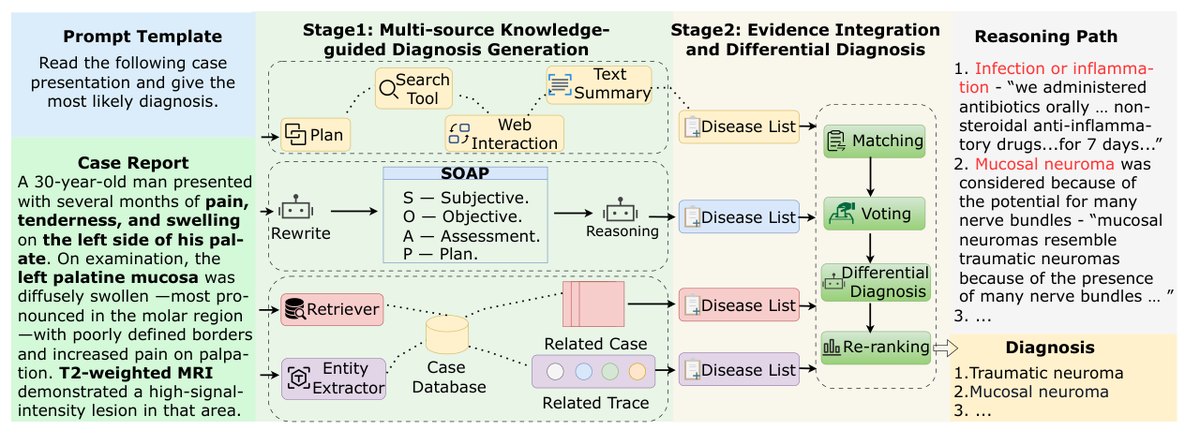
MultiDx is a two-stage diagnostic reasoning framework that performs differential diagnosis by integrating multi-perspective evidence from web search, SOAP-formatted cases, and a clinical case database.

AdapTime: Enabling Adaptive Temporal Reasoning in Large Language Models

Yimin Deng, Yejing Wang, Zhenxi Lin, Zichuan Fu, Guoshuai Zhao, Derong Xu, Yefeng Zheng, Xiangyu Zhao, Xian Wu, Li Zhu, Xueming Qian

ACL’26 Findings, Findings of the Association for Computational Linguistics, 2026

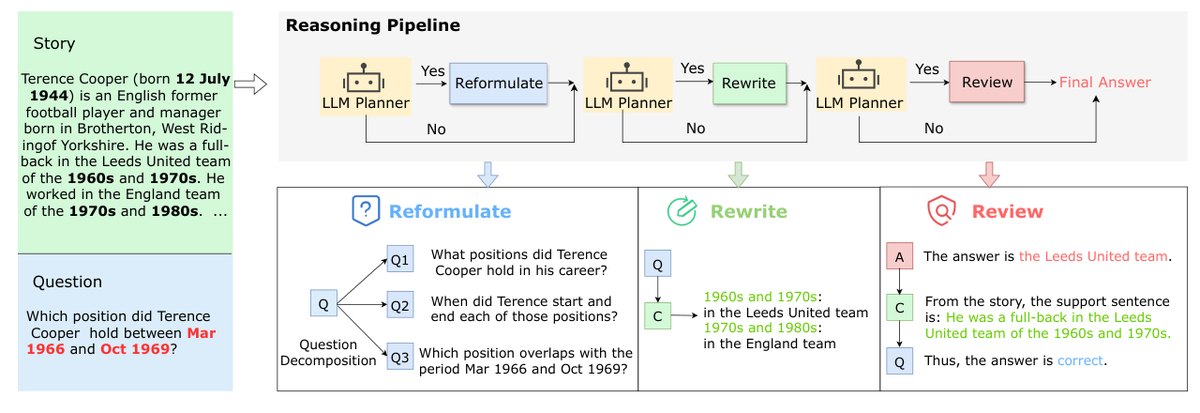
AdapTime is an adaptive temporal reasoning method that dynamically executes reformulate, rewrite, and review actions guided by an LLM planner, enhancing temporal reasoning without external tools.

A Multi-Expert Structural-Semantic Hybrid Framework for Unveiling Historical Patterns in Temporal Knowledge Graphs

Yimin Deng, Yuxia Wu, Yejing Wang, Guoshuai Zhao, Li Zhu, Qidong Liu, Derong Xu, Zichuan Fu, Xian Wu, Yefeng Zheng, Xiangyu Zhao

ACL’25 Findings, Findings of the Association for Computational Linguistics, 2025

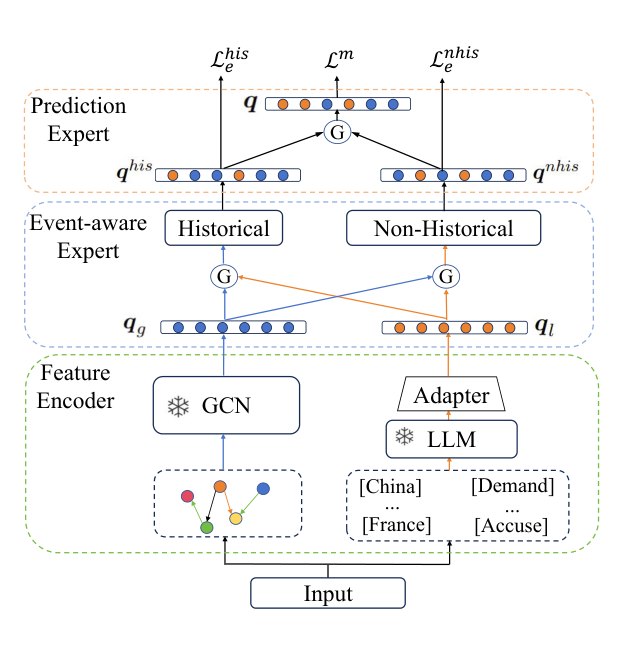
MESH employs three kinds of expert modules to integrate structural and semantic information for temporal knowledge graph reasoning, capturing differences between historical and non-historical events.

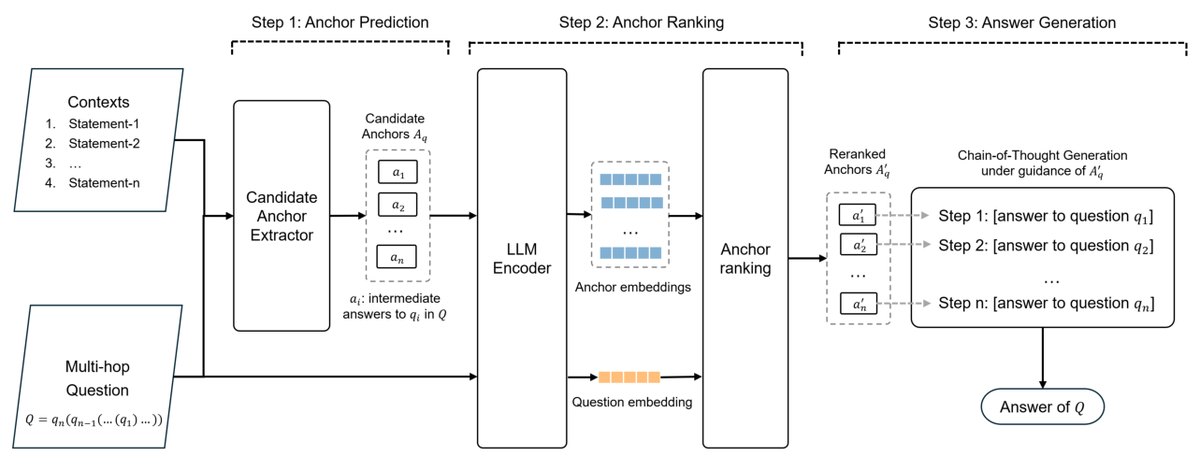
AnchorCoT: Anchors Pave the Way for Multi-hop Reasoning

Tianshi Ming, Xian Wu, Yingying Zhang, Zichuan Fu, Dawei Cheng

ACL’25 Findings, Findings of the Association for Computational Linguistics, 2025

AnchorCoT predicts key entities as “anchors” to guide multi-hop reasoning and uses a ranking algorithm to ensure logical answer sequences, improving LLM performance on multi-hop QA.

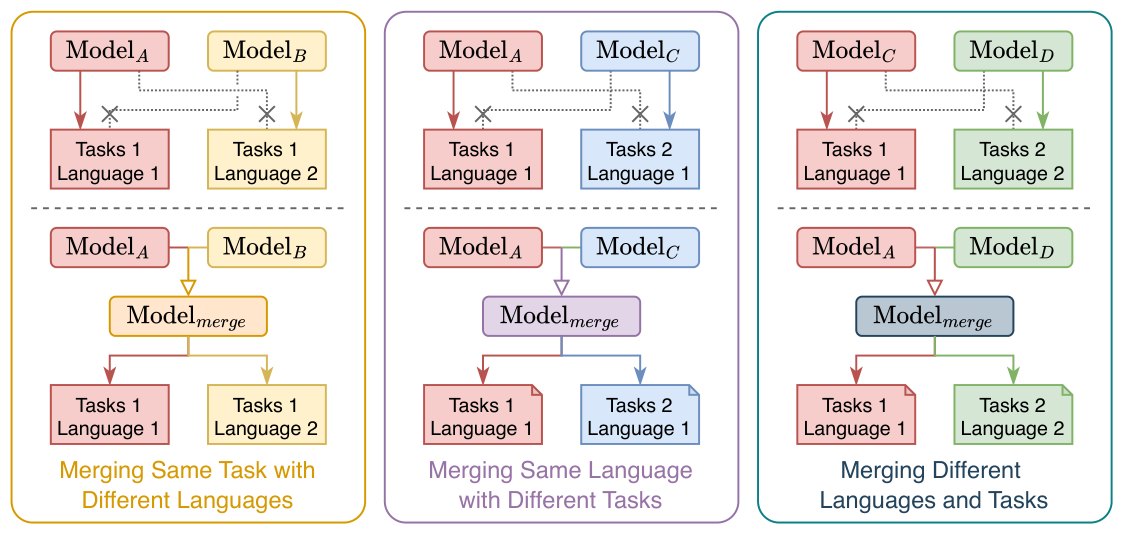
Training-free LLM Merging for Multi-task Learning Oral

Zichuan Fu, Xian Wu, Yejing Wang, Wanyu Wang, Shanshan Ye, Hongzhi Yin, Yi Chang, Yefeng Zheng, Xiangyu Zhao

ACL’25 (Main, Long Paper), Proceedings of the 63rd Annual Meeting of the Association for Computational Linguistics, 2025

Hi-Merging: a training-free method that merges specialized LLMs into a unified multi-task model using hierarchical pruning and scaling, preserving individual strengths while minimizing parameter conflicts across languages and tasks.

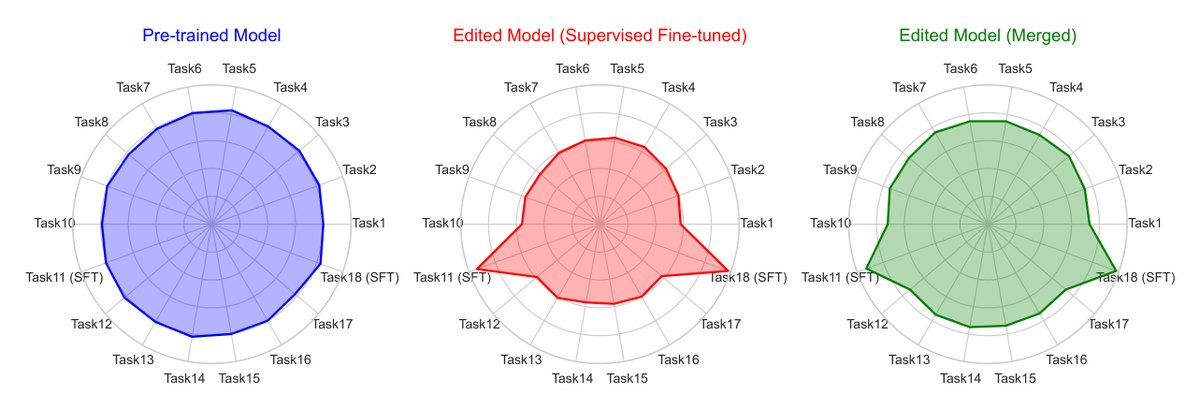
Model Merging for Knowledge Editing Oral

Zichuan Fu, Xian Wu, Guojing Li, Yingying Zhang, Yefeng Zheng, Tianshi Ming, Yejing Wang, Wanyu Wang, Xiangyu Zhao

ACL’25 (Industry Track), Proceedings of the 63rd Annual Meeting of the Association for Computational Linguistics, 2025

A two-stage framework combining robust supervised fine-tuning with model merging for efficient knowledge editing in LLMs that preserves general capabilities while outperforming existing methods.

LLM4MSR: An LLM-Enhanced Paradigm for Multi-Scenario Recommendation

Yuhao Wang, Yichao Wang, Zichuan Fu, Xiangyang Li, Wanyu Wang, Yuyang Ye, Xiangyu Zhao, Huifeng Guo, Ruiming Tang

CIKM’24 (Full Research Paper track), Proceedings of the 33rd ACM International Conference on Information and Knowledge Management, 2024

LLM4MSR enhances multi-scenario recommendation by leveraging LLM for knowledge extraction and hierarchical meta networks, achieving improved performance and interpretability without LLM fine-tuning while maintaining deployment efficiency.

Journal Articles


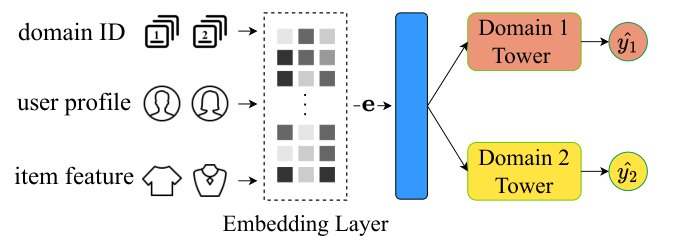
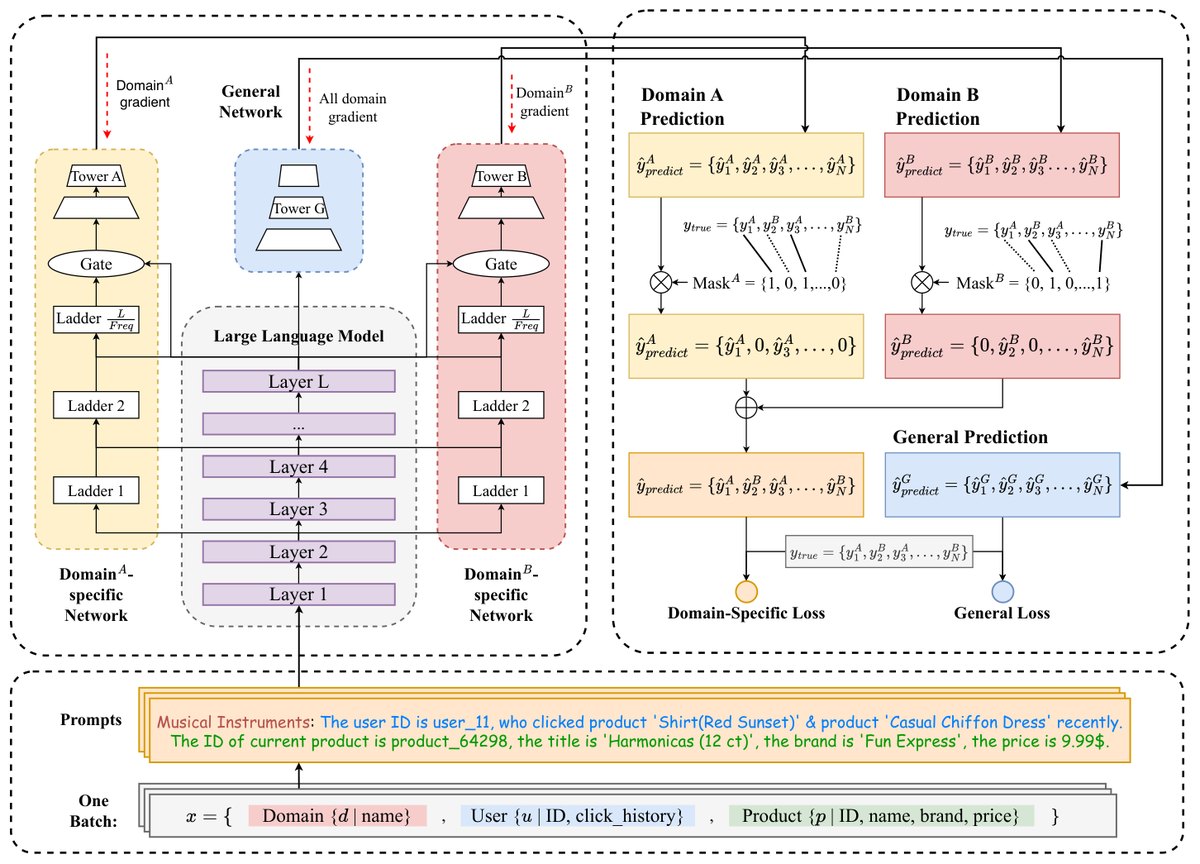
A Unified Framework for Multi-Domain CTR Prediction via Large Language Models

Zichuan Fu, Xiangyang Li, Chuhan Wu, Yichao Wang, Kuicai Dong, Xiangyu Zhao, Mengchen Zhao, Huifeng Guo, Ruiming Tang

TOIS, ACM Transactions on Information Systems, 2024

Uni-CTR leverages Large Language Models and pluggable domain networks to address the seesaw phenomenon and scalability challenges in multi-domain CTR prediction, achieving SOTA performance across various scenarios.

Preprints (arXiv)


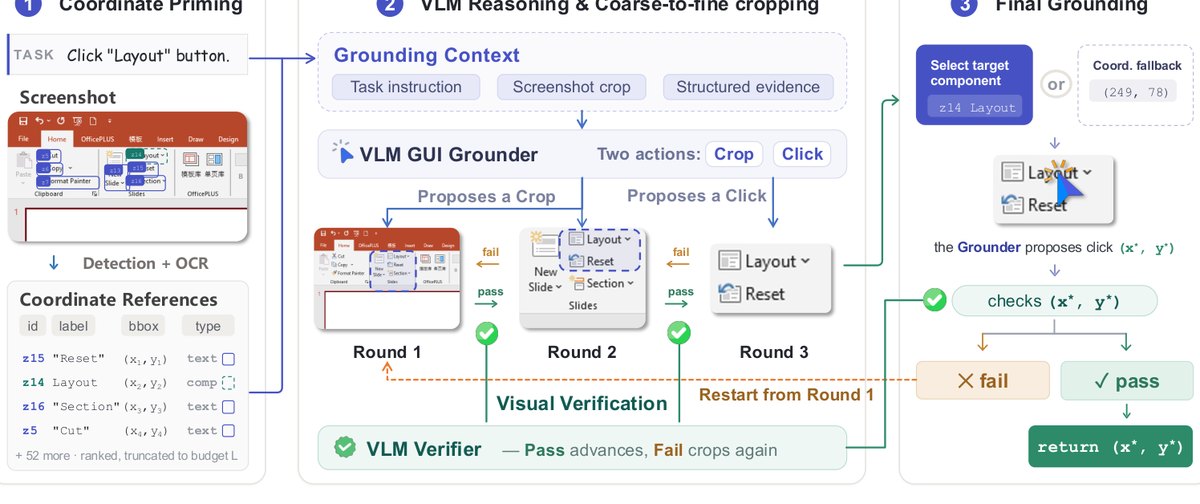
GUI-Lens: Coarse-to-Fine Cropping for GUI Grounding with General-Purpose VLMs

Zichuan Fu, Shirong Wang, Wenlin Zhang, Guojing Li, Yimin Deng, Jingtong Gao, Junjia Qi, Hanyu Yan, Yefeng Zheng, Xiaopeng Li, Wanyu Wang, Xian Wu, Xiangyu Zhao

arXiv preprint arXiv:2608.03270, 2026

A coarse-to-fine grounding framework that lets a general-purpose VLM locate GUI targets through active visual observation — cropping and re-examining instead of committing to a single click prediction.

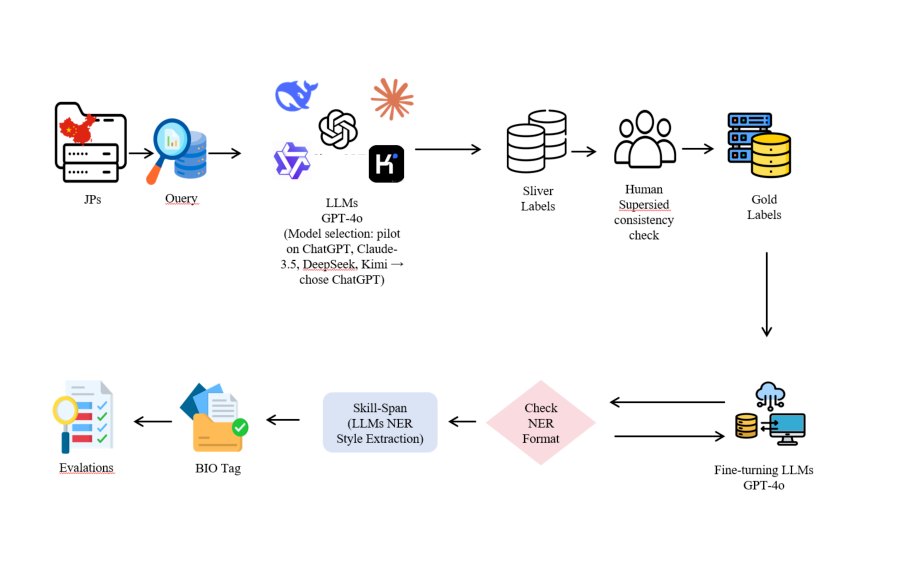
Chinese-SkillSpan: A Span-Level Dataset for ESCO-Aligned Competency Extraction from Chinese Job Ads

Guojing Li, Zichuan Fu, Junyi Li, Wenxia Zhou, Xinyang Wu, Jinning Yang, Jingtong Gao, Feng Huang, Xiangyu Zhao

arXiv preprint arXiv:2604.23009, 2026

The first Chinese span-level job-skill NER dataset: 20,000+ instances from four recruitment platforms (2014–2025), annotated by an LLM-empowered Macro-Micro pipeline with expert adjudication.

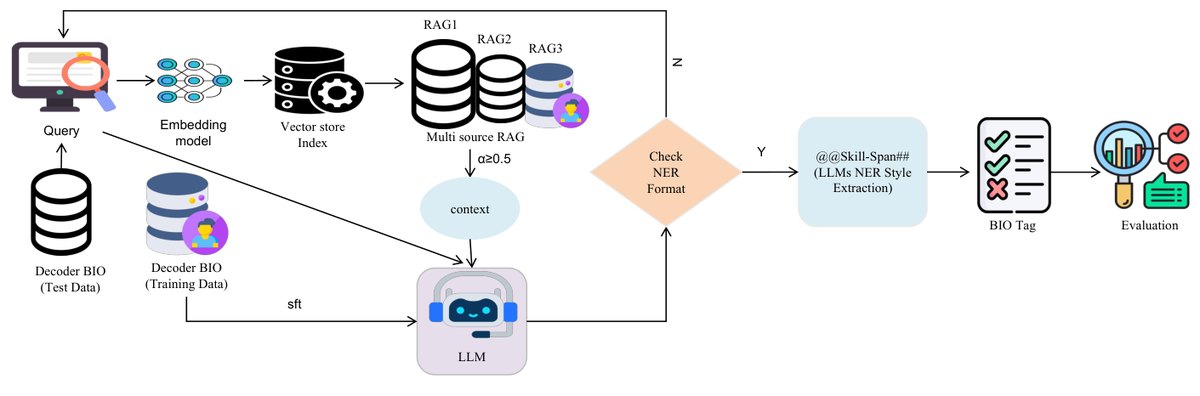
Job Skill Extraction via LLM-Centric Multi-Module Framework

Guojing Li, Zichuan Fu, Junyi Li, Faxue Liu, Wenxia Zhou, Yejing Wang, Jingtong Gao, Maolin Wang, Rungen Liu, Wenlin Zhang, Xiangyu Zhao

arXiv preprint arXiv:2604.21525, 2026

SRICL combines semantic retrieval, in-context learning, and supervised fine-tuning with a deterministic verifier that enforces span legality, fixing the malformed spans and boundary drift generative LLMs produce on skill extraction.

Attention Needs to Focus: A Unified Perspective on Attention Allocation

Zichuan Fu, Wentao Song, Guojing Li, Yejing Wang, Xian Wu, Yimin Deng, Hanyu Yan, Yefeng Zheng, Xiangyu Zhao

arXiv preprint arXiv:2601.00919, 2026

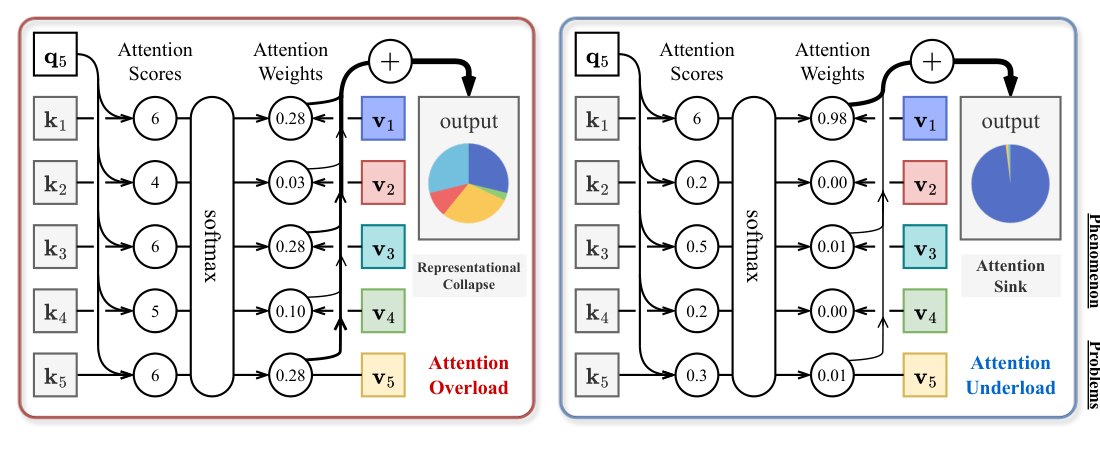
A unified perspective tracing representational collapse and attention sink to improper attention allocation, introducing Lazy Attention with positional discrimination and Elastic-Softmax for focused attention.

Sliding Window Attention Training for Efficient Large Language Models

Zichuan Fu, Wentao Song, Yejing Wang, Xian Wu, Yefeng Zheng, Yingying Zhang, Derong Xu, Xuetao Wei, Tong Xu, Xiangyu Zhao

arXiv preprint arXiv:2502.18845, 2025

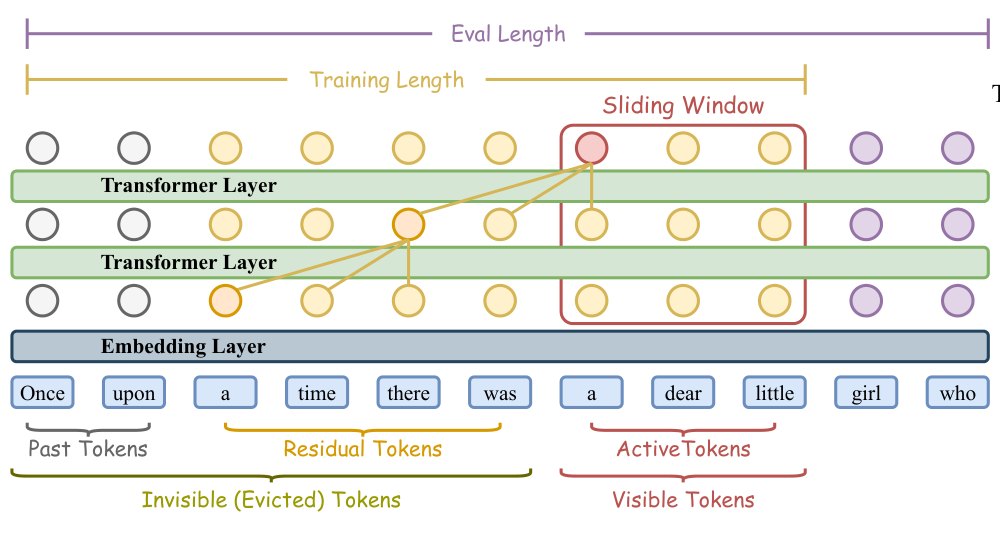
SWAT enables efficient long-context handling via Sliding Window Attention Training, replacing softmax with sigmoid and combining balanced ALiBi with Rotary Position Embedding to retain information.